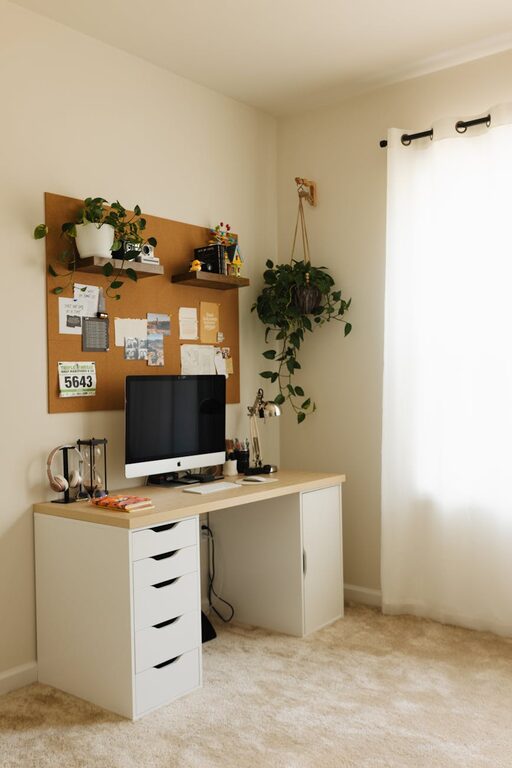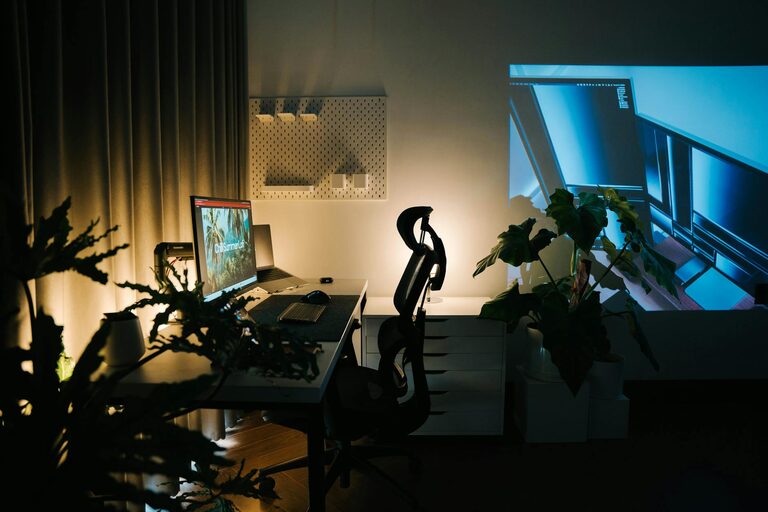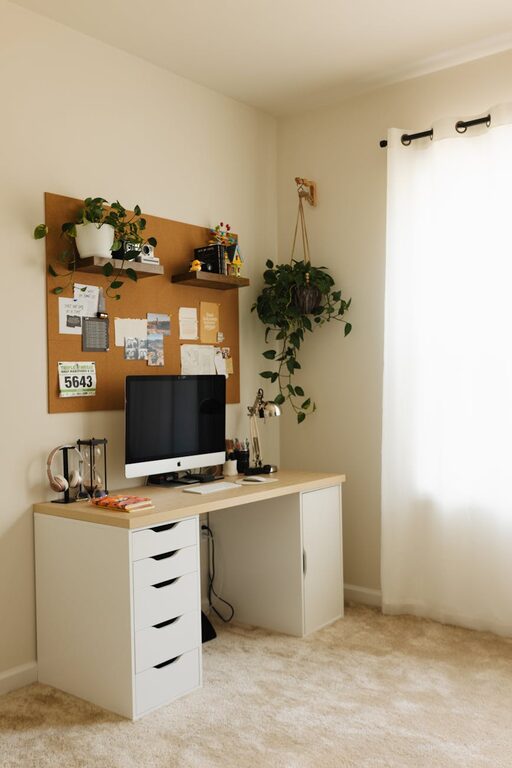

Creating a home workspace that feels both cozy and productive is essential for anyone working remotely or studying from home. A well-designed environment can increase focus, reduce stress, and make work more enjoyable. Whether you have a dedicated room or a small corner, with some planning and thoughtful touches, you can turn it into a space that supports your daily tasks while feeling inviting.
Why a Cozy Workspace Matters
Comfort and productivity often go hand in hand. If your workspace feels cramped, cluttered, or uninspiring, it can be difficult to concentrate. On the other hand, a cozy setting helps reduce distractions, invites you to settle in, and encourages better work habits. Creating a space where you feel relaxed but motivated can improve your overall well-being and boost efficiency.
Choosing the Right Location
Find Natural Light
Placing your workspace near a window is one of the simplest ways to make it feel cozy. Natural light helps regulate your body clock and can enhance mood and alertness. If natural light is limited, consider full-spectrum lamps that simulate daylight.
Minimize Distractions
Choose a quiet spot away from heavy foot traffic, television, or noisy appliances. If your home environment is busy, noise-cancelling headphones or a white noise machine can help create a sense of privacy.
Consider Space Requirements
Make sure your workspace fits your needs — enough room for a desk, chair, computer, and any supplies you use frequently. Even a small nook can be transformed into a functional workspace with proper organization.
Furniture and Ergonomics
Invest in a Comfortable Chair
A good ergonomic chair supports your back and encourages proper posture, which is important for long hours of sitting. Adjustable height and lumbar support features are valuable.
Choose the Right Desk
Pick a desk that fits your space and working style. Some prefer a traditional desk, while others opt for standing desks or adjustable ones to change positions throughout the day.
Declutter and Organize
Keep your desk tidy to prevent distractions. Use organizers, trays, or drawers to store supplies neatly. A clutter-free environment helps maintain focus.
Personalize Your Workspace
Add Soft Textures
Incorporate cushions, throws, or rugs to add warmth and softness. This can also help reduce noise and create a more inviting atmosphere.
Use Plants
Indoor plants improve air quality and bring a touch of nature indoors. Even low-maintenance options like succulents or spider plants add life and color.
Inspirational Decor
Decorate with items that motivate you—artwork, photos, or quotes. Personal touches increase comfort and make the space uniquely yours without overcrowding it.
Lighting Tips
Layered Lighting
Combine natural light with layered artificial lighting — ambient, task, and accent lights. A desk lamp with adjustable brightness is helpful for focusing on work.
Avoid Glare
Position screens and lights to reduce glare. Consider anti-glare screen protectors or blinds for windows.
Create a Routine-Friendly Environment
Keep Supplies Handy
Store the items you use most often within easy reach. This saves time and avoids unnecessary interruptions.
Use a Calendar or Planner
Incorporate a visible calendar, planner, or whiteboard to keep track of deadlines and appointments.
Designate Break Zones
If possible, separate work areas from relaxation zones. Taking breaks away from your desk helps refresh your mind.
Maintain Your Workspace
Regular Cleaning
Clean your desk and dust your workspace regularly to keep it pleasant and hygienic.
Update Your Setup
Periodically reassess and adjust your workspace as your needs or preferences change.
Bonus Tips
– Experiment with background music or ambient sounds if it helps you focus.
– Keep a water bottle nearby to stay hydrated.
– Adjust the room temperature to your comfort level to improve concentration.
Conclusion
A cozy and productive home workspace requires a balance of comfort, function, and personalization. By carefully choosing your location, focusing on ergonomics, adding soft touches, and maintaining an organized area, you create an environment that supports both your work and well-being. Start small, make gradual improvements, and find what works best for your unique routine and space. With a little effort, your home workspace can become your favorite place to get things done.
About the Author