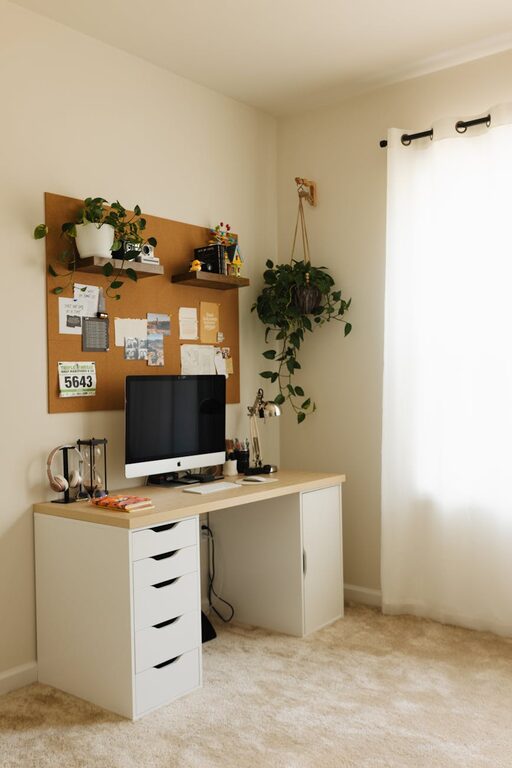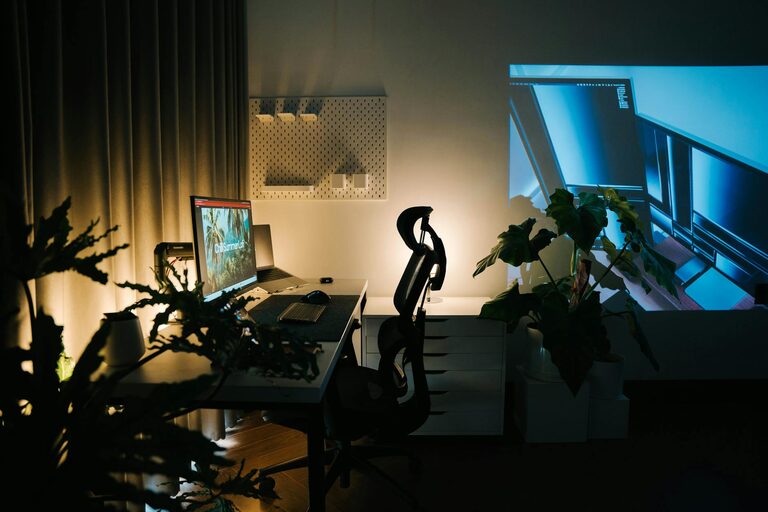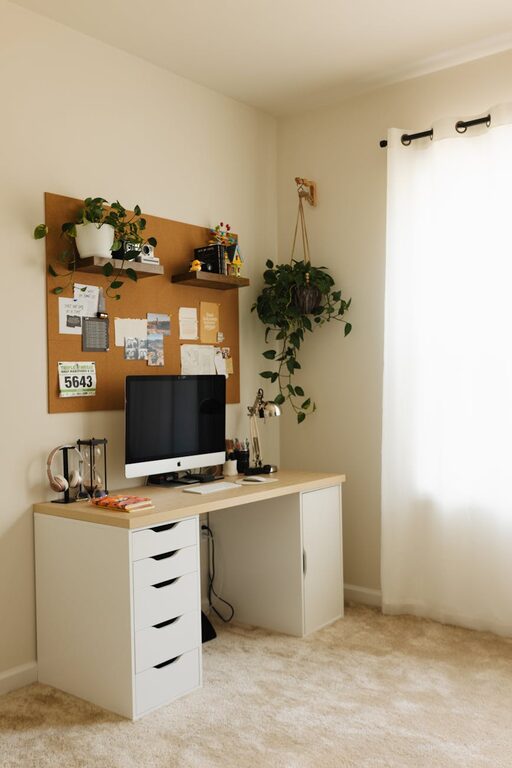
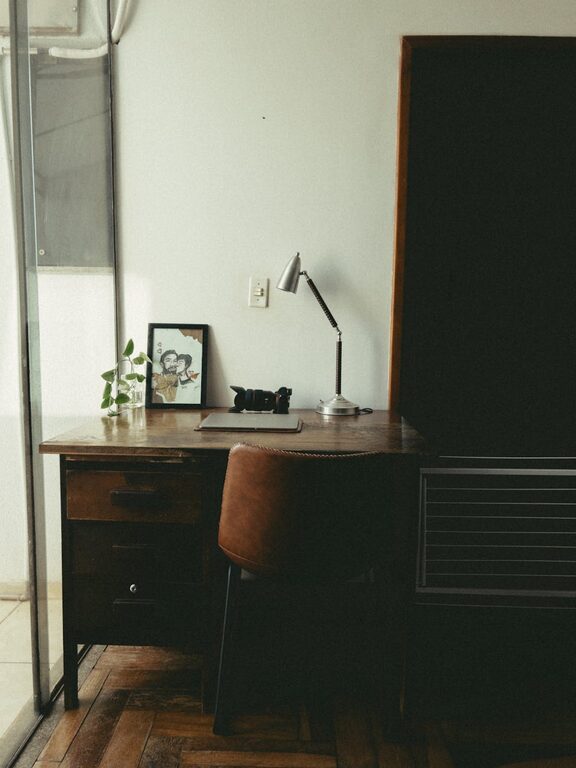
Creating a cozy and functional home workspace is essential in today’s world, where many people work remotely or spend significant time on personal projects at home. An ideal workspace not only supports productivity but also promotes comfort and well-being. In this post, we’ll explore simple and effective tips to help you design a workspace that feels inviting and keeps you focused.
Why a Cozy and Functional Workspace Matters
When your workspace is comfortable and well-organized, it can reduce stress and make working from home more enjoyable. Functionality ensures that everything you need is within reach, while a cozy atmosphere makes it a place you want to spend time in. The combination of both can boost your motivation and efficiency.
Choosing the Right Location
Consider Natural Light
Pick a spot that has access to plenty of natural light. Natural sunlight can improve your mood and reduce eye strain. Position your desk near a window if possible, but avoid glare on your computer screen by adjusting blinds or curtains.
Minimize Distractions
Choose a quiet area where you can focus without interruptions. This might be a spare room, a corner of your living room, or a nook near your bedroom. Using noise-cancelling headphones or a white noise machine can help if the space isn’t perfectly quiet.
Selecting Comfortable and Supportive Furniture
Invest in a Good Chair
A comfortable, ergonomic chair is one of the best investments you can make. Look for adjustable height, lumbar support, and cushioning to keep your back and posture healthy.
Pick a Suitable Desk
Choose a desk that fits your space and work needs. It should be large enough for your computer, supplies, and any other tools you use regularly. Standing desks or convertible desk options can help you change positions throughout the day.
Organizing Your Workspace for Efficiency
Declutter Regularly
Keep only the essentials on your desk. A tidy workspace helps clear your mind and makes it easier to focus. Use drawers or storage bins to keep items you don’t use frequently out of sight.
Use Organizers and Labels
Desk organizers, file holders, and cable management solutions keep your work area neat. Label your folders and storage containers so you can quickly find what you need without digging through piles.
Adding Cozy and Personal Touches
Soft Textiles
Add comfort with a soft rug, a cozy throw blanket, or cushions for your chair. These elements make the space feel warmer and more inviting.
Plants and Greenery
Indoor plants not only add life to your workspace but can also improve air quality and reduce stress. Choose low-maintenance plants like succulents, spider plants, or pothos.
Personalized Decor
Incorporate artwork, photos, or motivational quotes that inspire you. Personal touches make the space uniquely yours and can boost your mood.
Lighting Tips
Layered Lighting
Use a combination of overhead lights, task lamps, and natural light. Adjustable desk lamps help reduce eye strain and provide focused illumination exactly where you need it.
Warm Light Bulbs
Opt for warm white bulbs instead of harsh, bright white light. Warm light creates a relaxing atmosphere that’s easier on your eyes, especially during late working hours.
Technology Set-Up
Reliable Internet and Devices
Ensure your internet connection is stable and fast enough for video calls or large file transfers. Use up-to-date computers, monitors, and accessories to streamline your work.
Cable Management
Keep cords organized and out of the way using clips, sleeves, or boxes. This reduces clutter and prevents accidents caused by tangled wires.
Maintaining Work-Life Balance
Define Your Work Hours
Even in a cozy workspace, it’s important to set boundaries. Define your workday start and end times and stick to them to maintain balance with personal time.
Take Breaks and Move
Regular breaks improve focus and prevent fatigue. Stand up, stretch, or take short walks to refresh your mind and body.
Final Thoughts
Creating a cozy and functional home workspace is a rewarding process that makes working from home more pleasant and effective. By focusing on comfort, organization, and personal style, you can design a space that supports your best work and well-being. Start small, and gradually add elements that suit your lifestyle and needs. Happy decorating!
About the Author