Creating a cozy and organized home workspace can make a big difference in how you feel and perform during your workday. Whether you work from home full-time or occasionally need a quiet spot to focus, a well-designed workspace helps you stay productive and comfortable. Here are practical tips to help you craft a space that feels both welcoming and efficient.
Choose the Right Spot
Consider Lighting and Noise Levels
When setting up your home workspace, choose a location with plenty of natural light if possible. Sunlight not only enhances mood but also reduces eye strain. Avoid areas with loud distractions or high foot traffic to help maintain focus throughout the day.
Assess Space Requirements
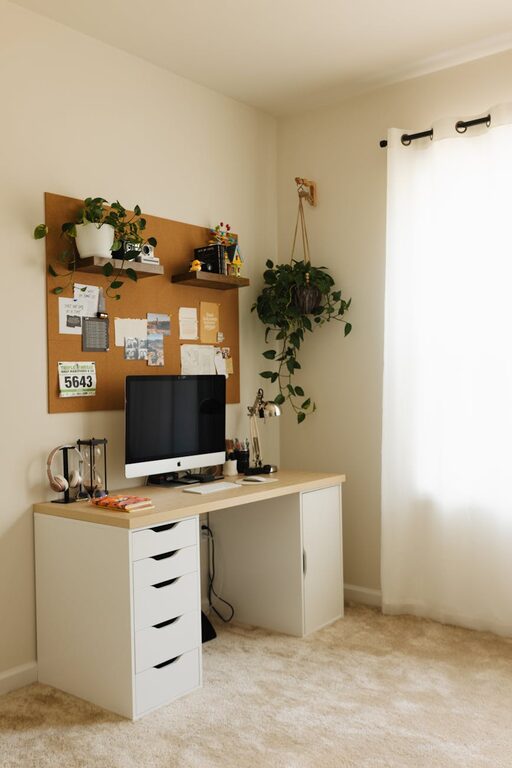
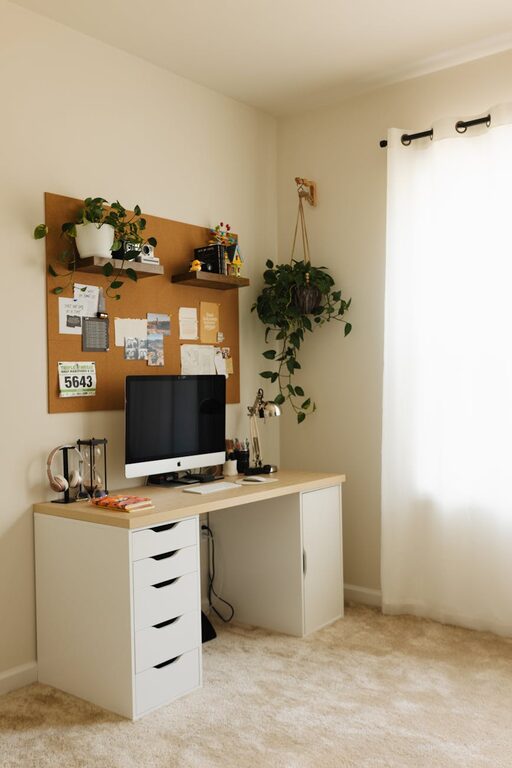
Think about how much room you need for your computer, paperwork, and any other equipment you use regularly. A small desk in a quiet corner can work, but make sure it doesn’t feel cramped or cluttered.
Invest in Comfortable Furniture
Find a Supportive Chair
Spending hours at a desk means your chair should be comfortable and supportive. Look for chairs with adjustable height and good lumbar support to protect your back and encourage good posture.
Choose a Functional Desk
Your desk should fit your work needs — enough surface area for your laptop or monitor, plus extra space for writing or organizing documents. Adjustable desks that let you switch between sitting and standing positions can also be a great investment.
Organize With Purpose
Declutter Your Workspace
Start by clearing off your desk and organizing items into categories: things you use daily, occasionally, or rarely. Keep only essential items within arm’s reach to reduce distractions.
Use Storage Solutions
Incorporate storage options like shelves, drawers, or baskets to keep supplies tidy. Label containers so you can quickly find what you need without wasting time searching.
Manage Cables Neatly
Messy cables can create visual clutter and frustration. Use cable organizers, clips, or sleeves to keep cords together and out of sight.
Add Personal and Cozy Touches
Choose Soothing Colors
Soft, neutral colors like light blues, greens, or warm beige can create a calm atmosphere. Avoid bright, harsh colors that may feel distracting.
Incorporate Plants
Adding a few small plants can enhance air quality and bring a bit of nature indoors. Plants also add color and life to your workspace, making it feel more inviting.
Use Textiles for Warmth
A small rug, throw blanket, or comfortable cushions can add texture and warmth to the area, making it a cozy place you want to spend time.
Enhance Productivity and Comfort
Set Up Good Lighting
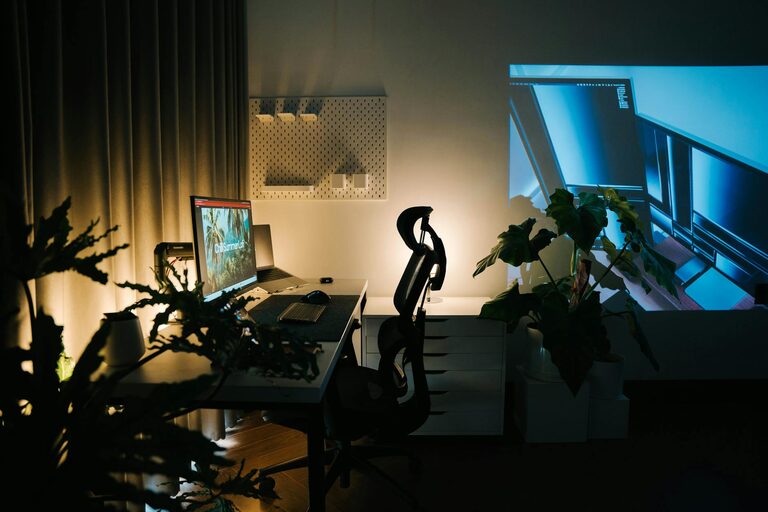
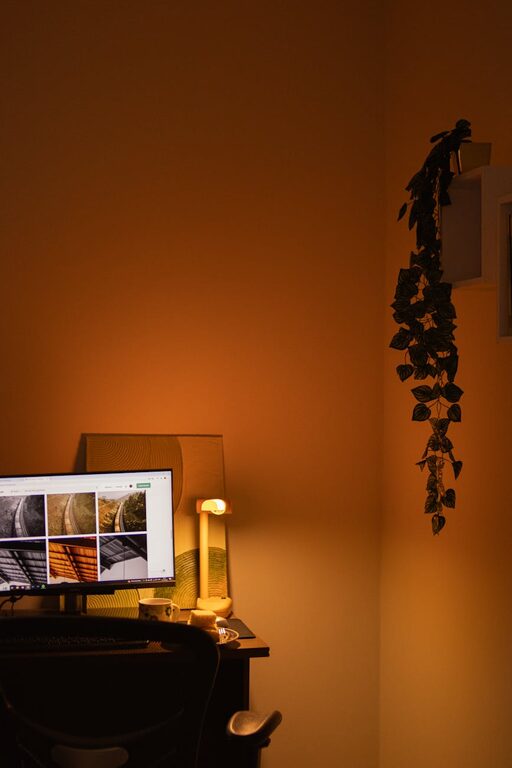
Besides natural light, include a desk lamp with adjustable brightness to reduce eye strain during evening work sessions. Choose bulbs with a daylight spectrum for a natural feel.
Minimize Distractions
Keep your phone on silent or in another room if possible. Consider noise-canceling headphones or white noise machines if your environment tends to be noisy.
Establish a Routine
Create rituals that help signal the start and end of your workday. This could include tidying your desk each morning or setting alarms as reminders to take breaks.
Maintain Your Workspace Regularly
Weekly Clean-Up
Spend a few minutes at the end of each week clearing away clutter, wiping surfaces, and organizing loose papers. A tidy space will help you start fresh without distractions.
Reassess Your Needs
As your work changes or your projects evolve, adapt your workspace to support new requirements. Don’t hesitate to switch up arrangements or storage solutions to keep things efficient.
—
By applying these tips, you can design a home workspace that balances coziness and organization. The right environment will not only improve your focus and productivity but also make working from home an enjoyable experience. Start small, personalize your space, and watch how it transforms your daily routine for the better.
About the Author